What Should You Test for in Well Water?
Private wells are the owner's responsibility. Here is a practical view of what testing usually covers and how often Florida well owners revisit it.
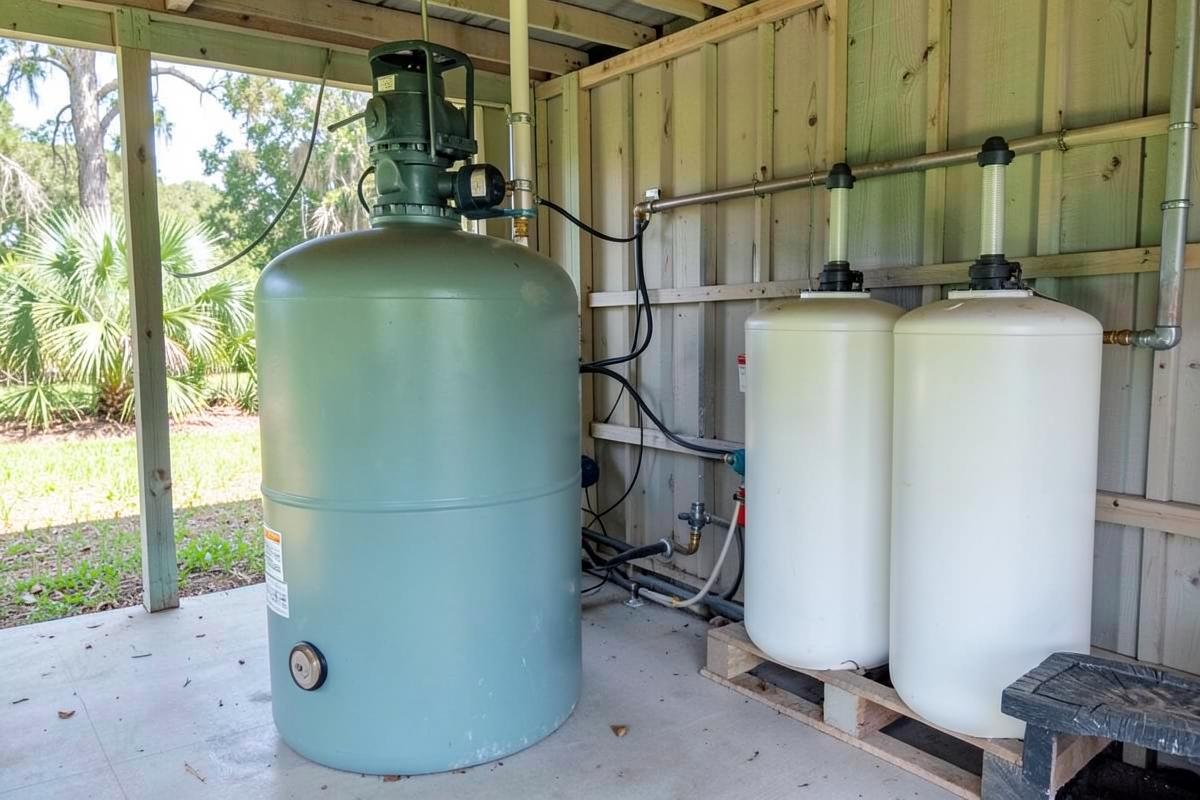
If your property is served by a private well, no utility is testing that water for you. Testing is how you find out what you have, and it is also how you avoid buying equipment that addresses the wrong thing.
Parameters commonly included
- Bacteriological testing, such as total coliform and E. coli.
- pH and total dissolved solids.
- Hardness.
- Iron and manganese, which are frequent staining concerns.
- Hydrogen sulfide, associated with sulfur-like odors.
- Nitrate and nitrite, particularly relevant near agricultural activity.
- Sediment and turbidity.
- Additional parameters based on local conditions or a specific concern.
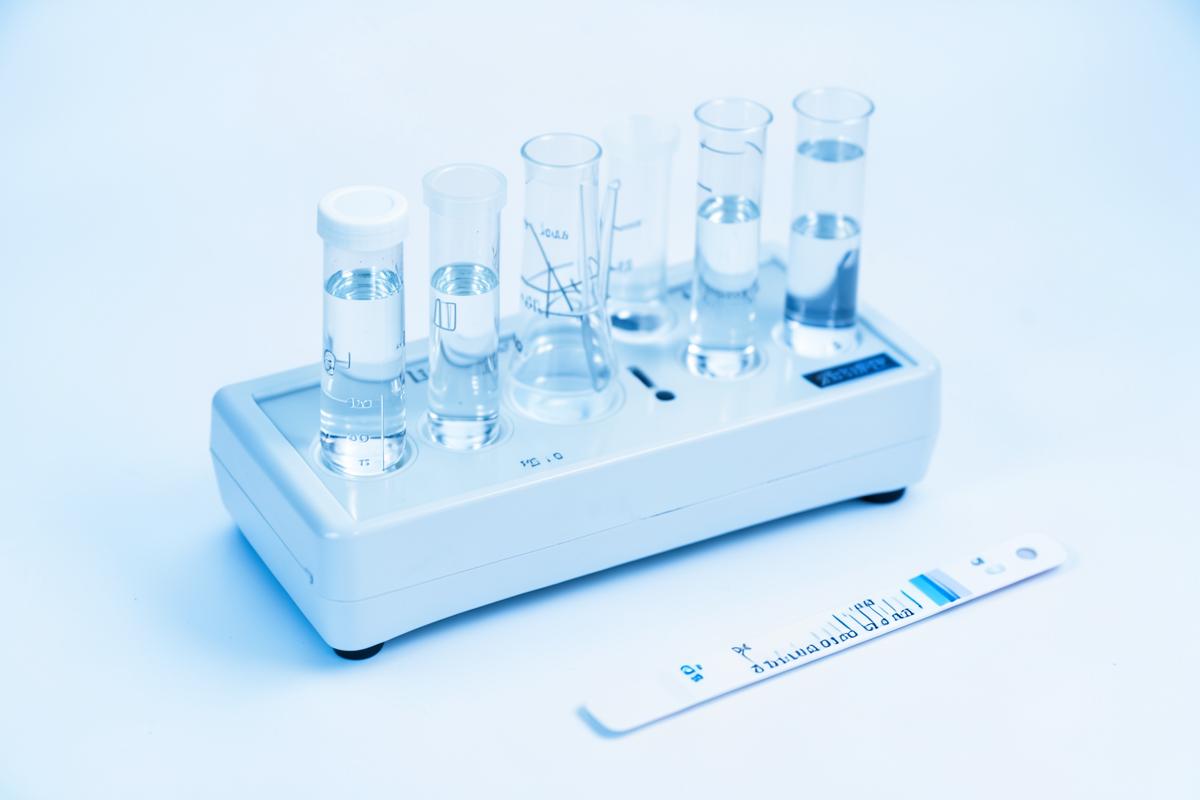
Bacteriological and chemical drinking-water safety questions should be answered by a certified laboratory. On-site analysis is excellent for equipment selection but is not a substitute for laboratory testing when safety is the question.
How often to test
Many well owners test on a regular annual schedule and again whenever something changes: new taste, odor, color or staining; flooding or heavy storm activity near the wellhead; repairs to the well or pump; or a change in how the property uses water.
Why well systems often use multiple stages
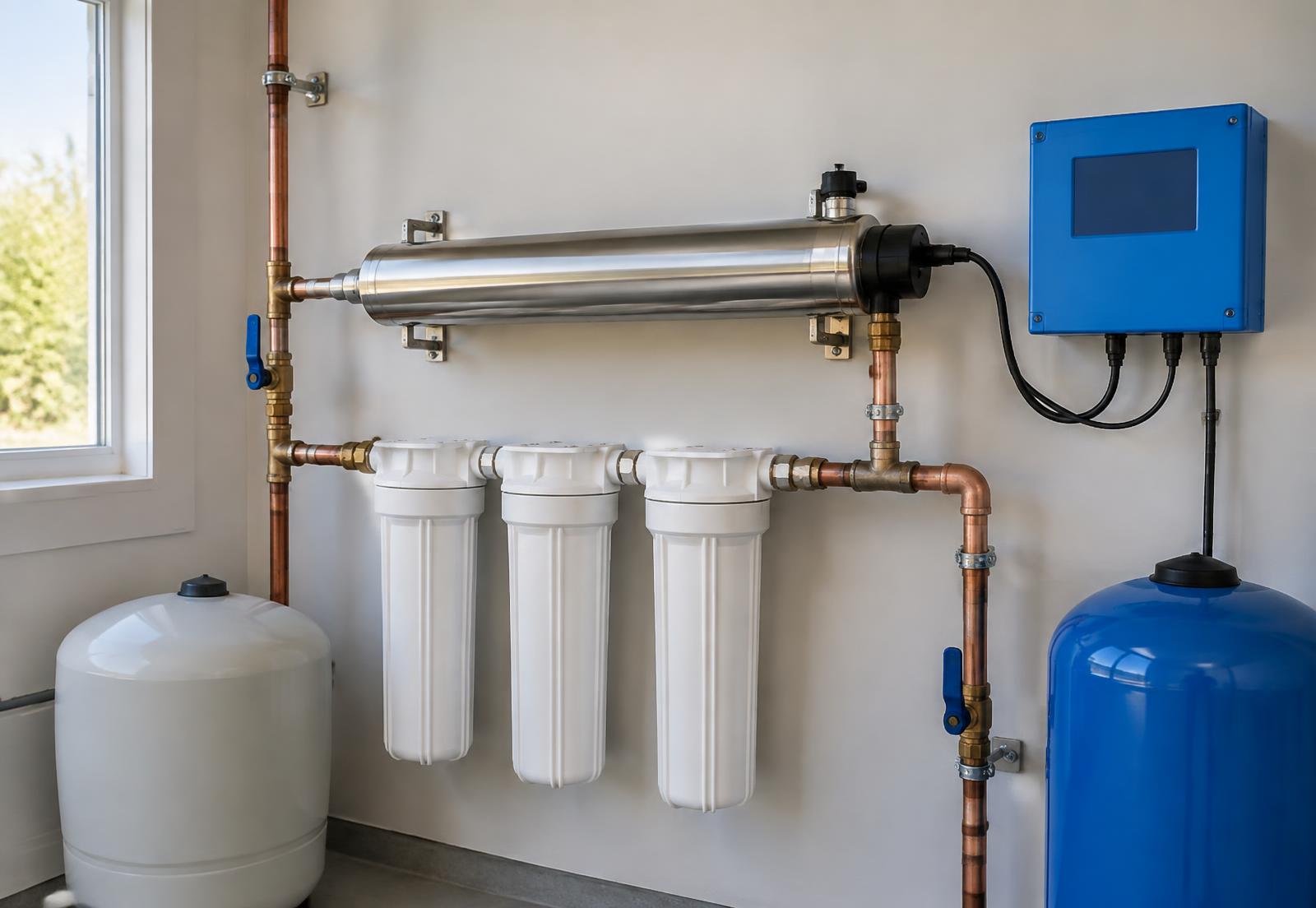
Well water frequently presents more than one characteristic at once — sediment plus hardness, or iron plus an odor concern. Each stage handles what it is designed for, and stages are ordered so that earlier equipment protects later equipment. Where microbiological control is warranted, UV disinfection is typically placed after filtration so the water reaching the chamber is as clear as the system requires.
UV effectiveness in particular depends on proper sizing, water clarity, flow rate, UV dose, installation and lamp maintenance. It is a control step within a designed system, not a stand-alone guarantee.
Frequently Asked Questions
Related pages on our site
On a private well in Central Florida?
We will review your water and help you plan the right treatment stages.