What Is UV Water Disinfection?
Ultraviolet treatment is a chemical-free microbial control step used in many well-water systems. Here is what it does, and what it does not do.
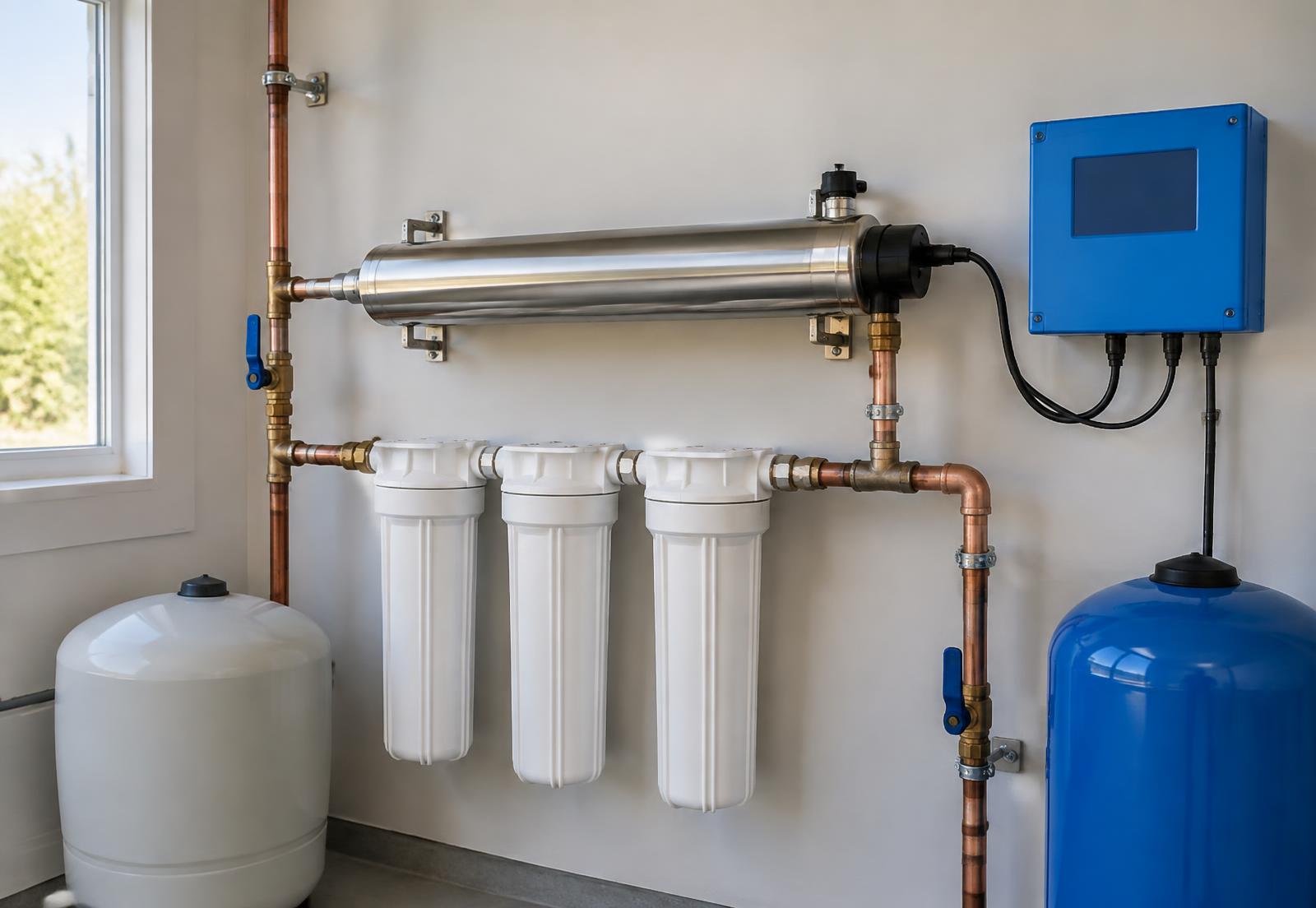
A UV system passes water through a chamber containing an ultraviolet lamp. Microorganisms exposed to sufficient ultraviolet energy can be inactivated, which is why UV is commonly included as a microbial control step in private well systems. It adds no chemicals to the water and does not change taste or mineral content.
What UV does not address
| Concern | Typical approach |
|---|---|
| Hardness and scale | Conditioning or softening |
| Sediment and turbidity | Filtration ahead of the UV chamber |
| Taste and odor | Carbon filtration or point-of-use treatment |
| Dissolved chemicals such as PFAS | Technologies selected from test results |
UV performance depends on system sizing, water clarity, flow rate, delivered UV dose, installation conditions and lamp and sleeve maintenance. It should never be described as making water universally safe.
Where UV sits in a system
UV is normally installed after filtration, because particles in the water can shield microorganisms from ultraviolet energy. On a well system, that usually means sediment filtration first, then any treatment for iron or other characteristics, then UV as a final step before water enters the house.
Maintenance expectations
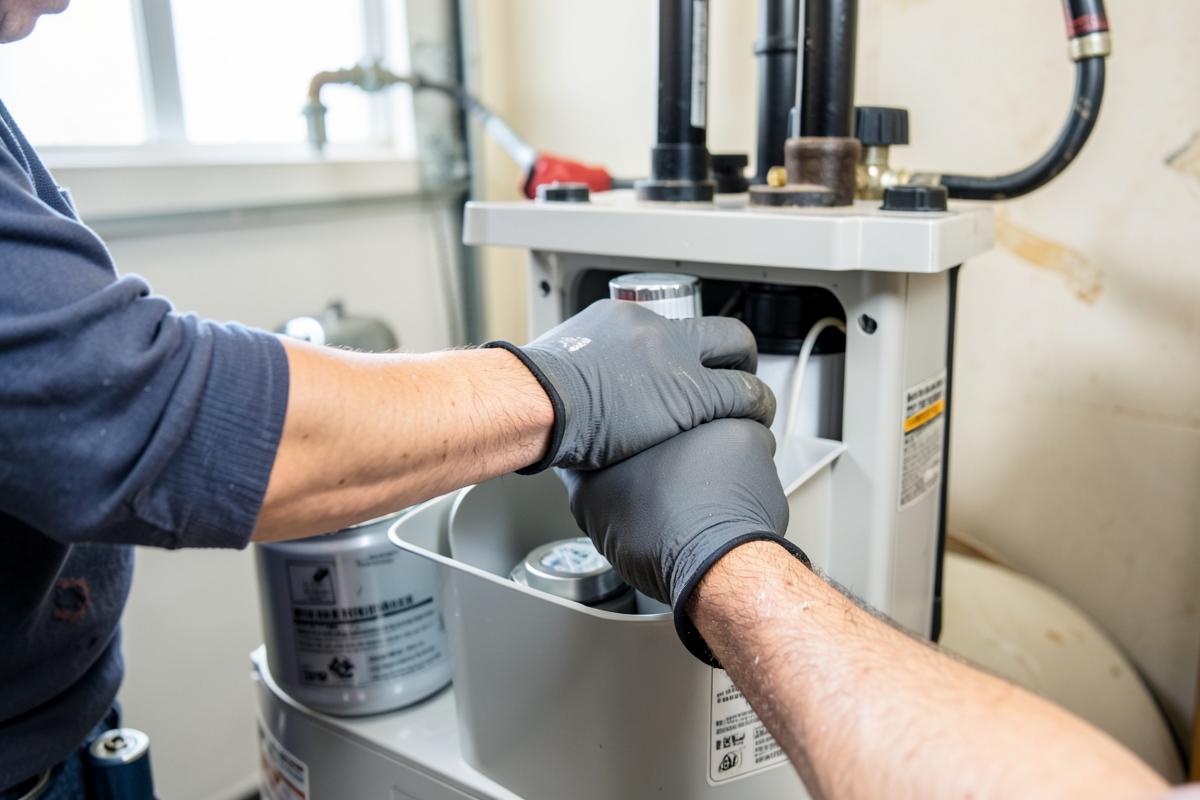
- Lamp replacement on the manufacturer's schedule.
- Periodic cleaning or replacement of the quartz sleeve.
- Keeping pre-filtration current so water clarity stays within design limits.
- Confirming the system is powered and operating as intended.
Related pages on our site
Considering UV treatment for your home or well?
Let us evaluate your water first, then size the system to the results.