Understanding Water Quality in Central Florida
Water quality can vary from one property to the next. Here is a practical framework for understanding your own water before you shop for equipment.
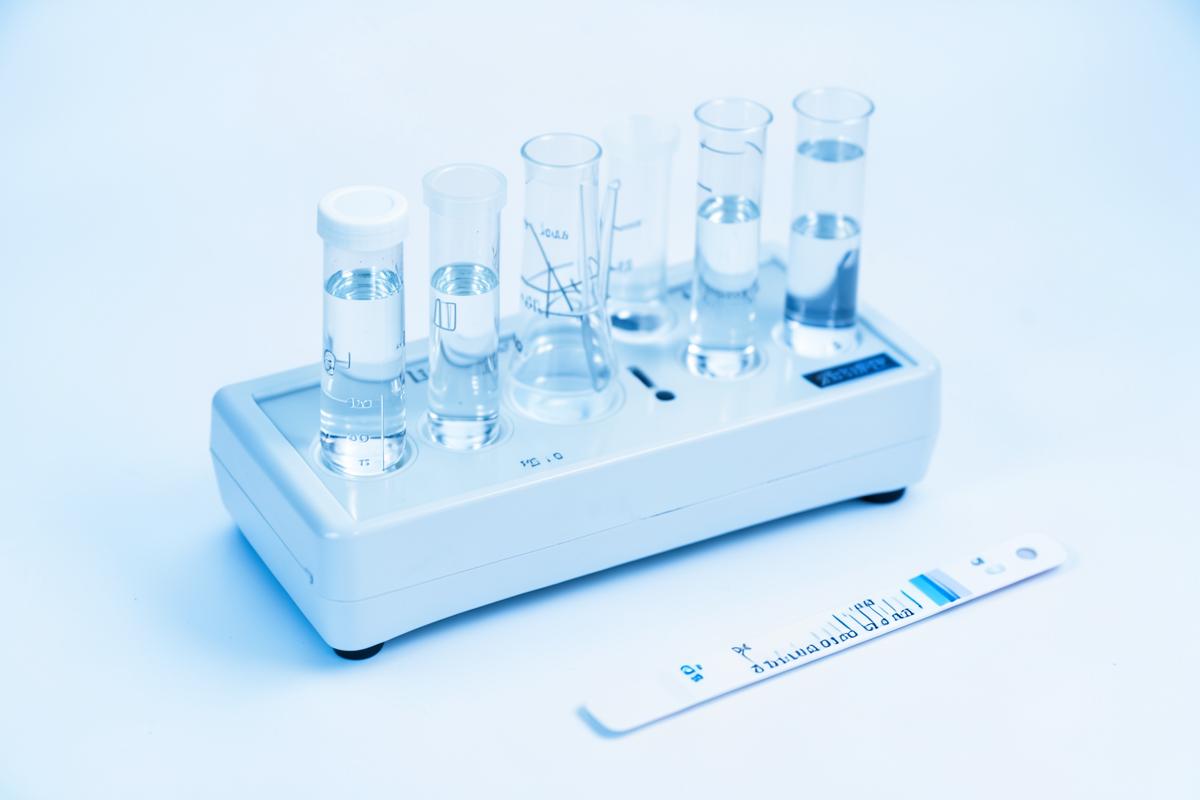
"Water quality" is not a single number. It is a set of characteristics — hardness, sediment, taste and odor concerns, pH, and in some cases microbiological or chemical parameters — that together describe what is coming out of a specific tap.
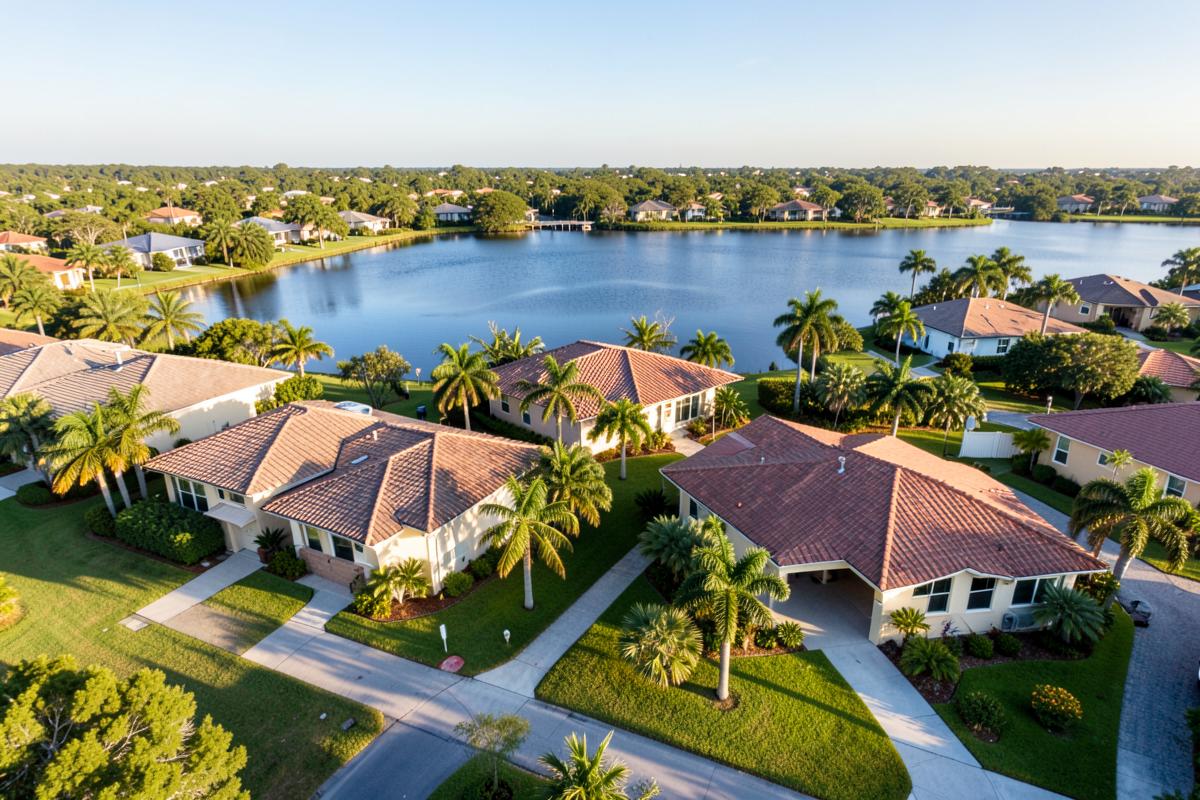
Why neighbors can have different water
- Different sources: municipal supply versus a private well.
- Different positions in the distribution system.
- Different plumbing materials and fixture ages.
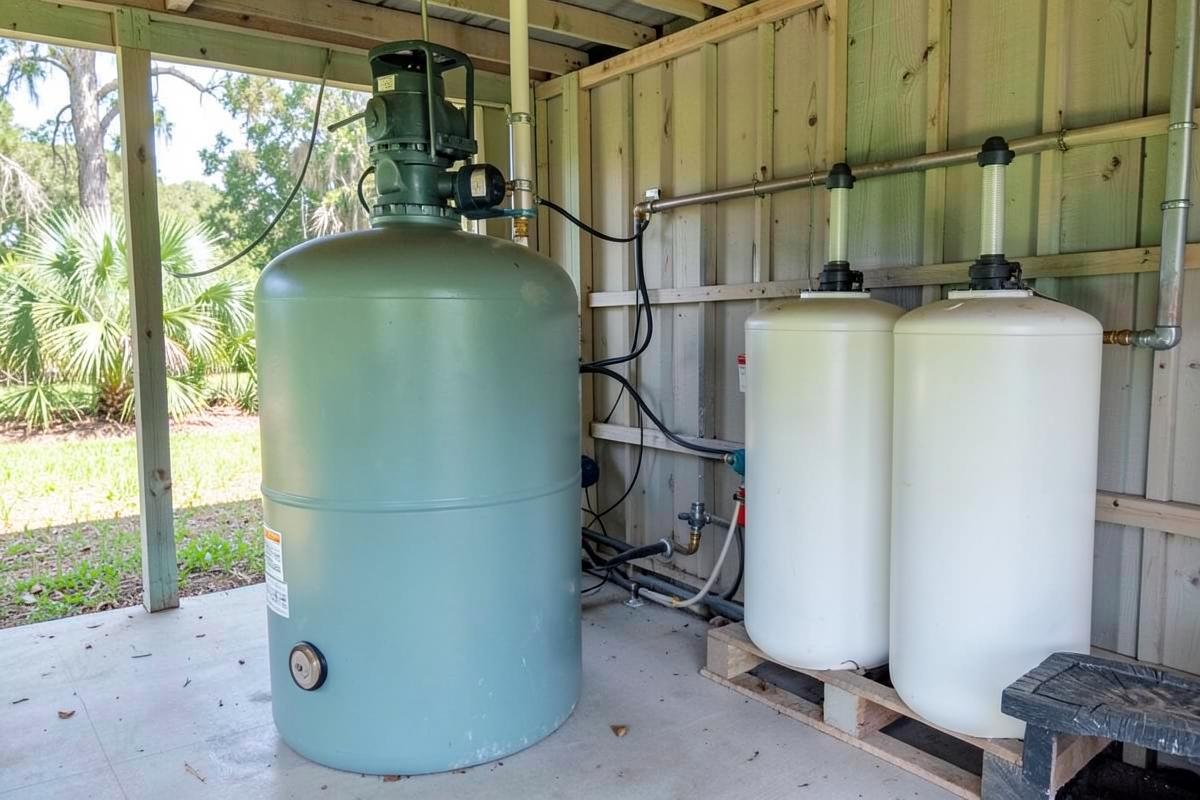
- Existing treatment equipment that may or may not be working as intended.
- Different water usage patterns, irrigation and household size.
Reading a municipal water-quality report
Utilities in Florida publish an annual report describing what they test for and what they detected. It is genuinely useful context — it tells you about the water leaving the treatment plant and moving through the system. What it cannot tell you is what happens between the main and your kitchen faucet.
What an on-site analysis adds
| Question | Best way to answer it |
|---|---|
| What is the utility delivering? | The annual water-quality report |
| What is at my tap today? | On-site water analysis |
| Is my well water safe to drink? | Certified laboratory testing |
| Is my existing system still working? | Inspection plus before/after testing |
No single technology addresses every water concern. Matching equipment to verified results is what makes a system worth installing.
A sensible order of operations
- Identify your source and read any available reports.
- Test the water at the property.
- List your actual goals — taste, scale, sediment, drinking water.
- Match technology to results and goals, not to marketing.
- Plan maintenance before installation, not after.
Related pages on our site
Start with your own water
Reports are helpful. Testing your property is better.