How to Maintain a Water Treatment System
Equipment performance is a maintenance story as much as a technology story. Here is a practical owner's checklist.
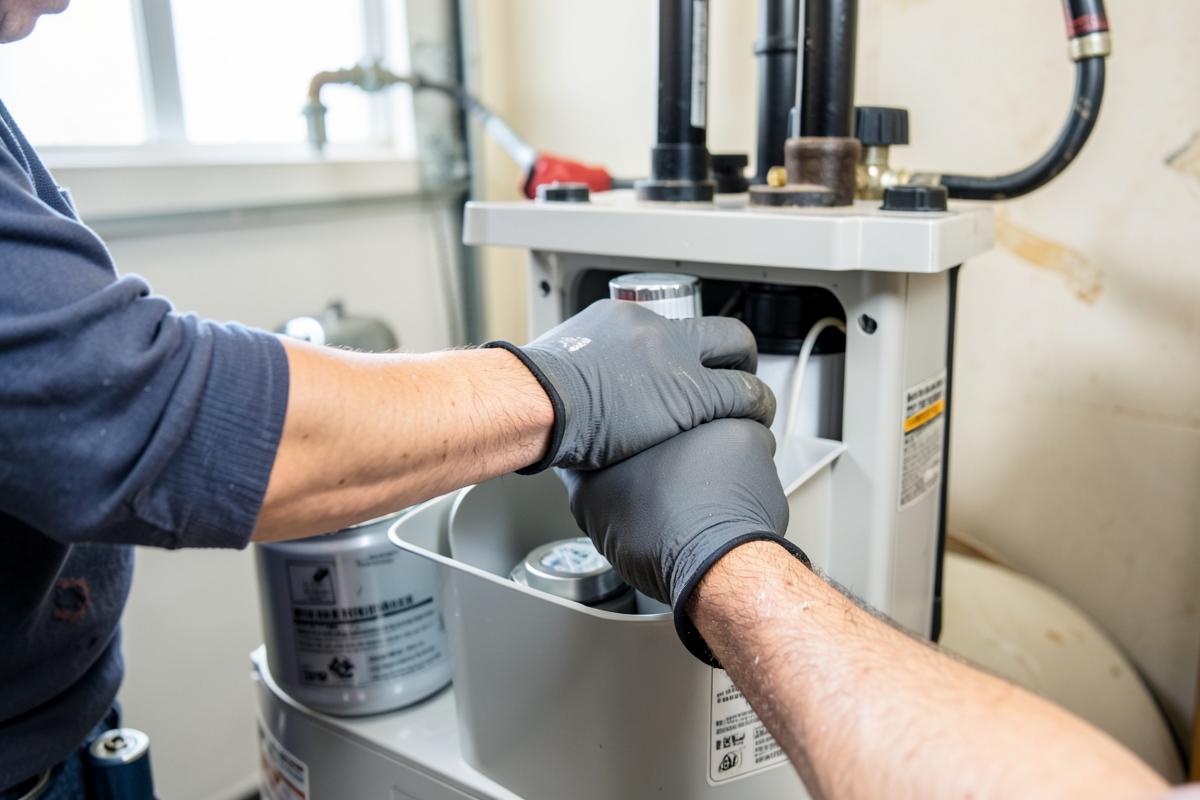
Every water treatment technology has a service life and a maintenance rhythm. A system that was correctly sized and installed can still underperform if filters go unchanged, media is exhausted or a lamp is past its rated life.
By system type
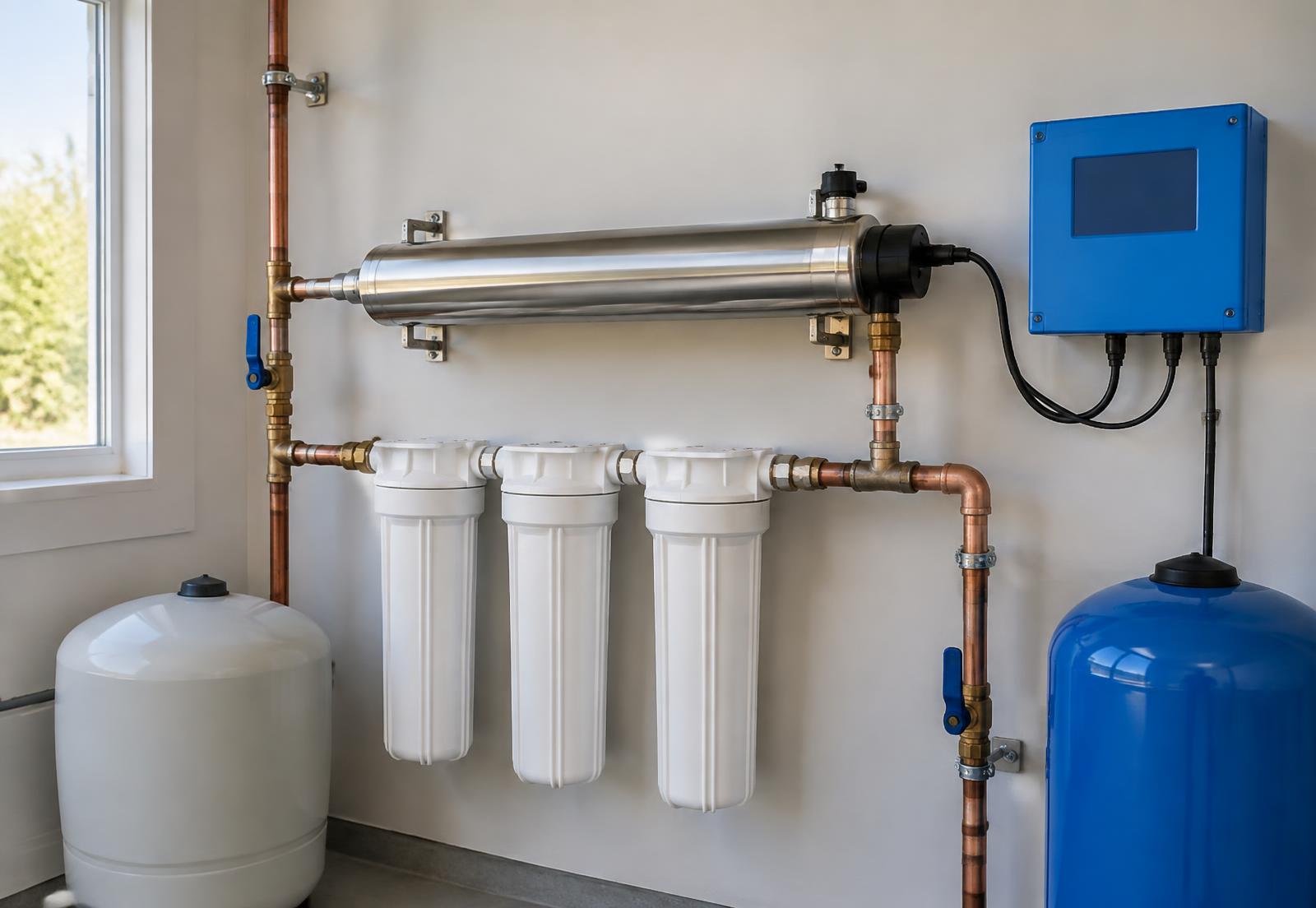
- Softeners: monitor salt level, watch for bridging in the brine tank, and confirm the valve is cycling as programmed.
- Sediment filtration: replace cartridges on schedule or when pressure drop increases.
- Carbon filtration: replace media or cartridges per the manufacturer's guidance.
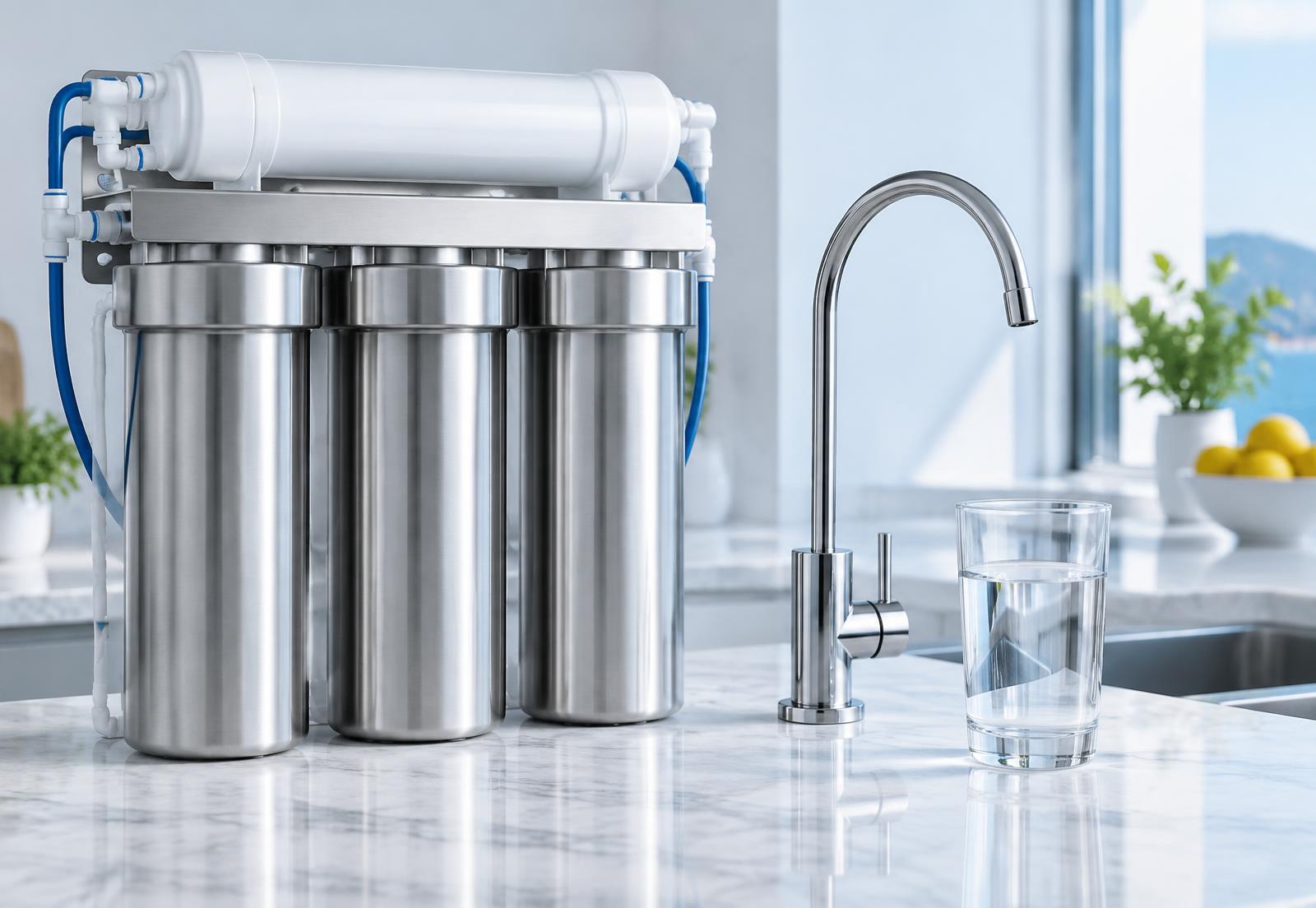
- Reverse osmosis: change pre- and post-filters periodically and the membrane on a longer interval.
- UV: replace the lamp on schedule and keep the quartz sleeve clean.
Signs worth investigating
- A change in taste, odor or clarity.
- Noticeably reduced water pressure or slower RO refill.
- Spotting or scale returning after having improved.
- A system running or regenerating at unexpected times.
- Any alarm, indicator light or error on the controller.
Maintenance intervals in this article are general orientation, not a schedule for your equipment. Always follow the manufacturer's specifications for the model you own and adjust for your water quality and usage.
Retesting periodically is the most reliable way to confirm a system is still doing what it was installed to do — especially on well water, where source conditions can change.
Related pages on our site
Is your existing system still performing?
We can test your water and review the equipment you already have.