What Are PFAS, and Why Are They Called Forever Chemicals?
PFAS are a large family of synthetic chemicals that have become a national drinking-water topic. Here is a plain-language explanation and how treatment is approached.

PFAS stands for per- and polyfluoroalkyl substances — a broad group of manufactured chemicals that have been used for decades in products designed to resist heat, water, grease or stains. They are frequently called "forever chemicals" because the carbon-fluorine bonds that make them useful also make them very slow to break down in the environment.
Why they come up in drinking-water conversations
Because PFAS persist and can move through the environment, they have been detected in water supplies in many parts of the country. Federal and state agencies publish current guidance, regulatory limits and monitoring data, and those documents — not marketing material — are the right reference for what applies to a given supply.
Regulations and guidance in this area change over time. Check current information from the U.S. Environmental Protection Agency and the Florida Department of Environmental Protection rather than relying on a summary.
Testing comes before treatment
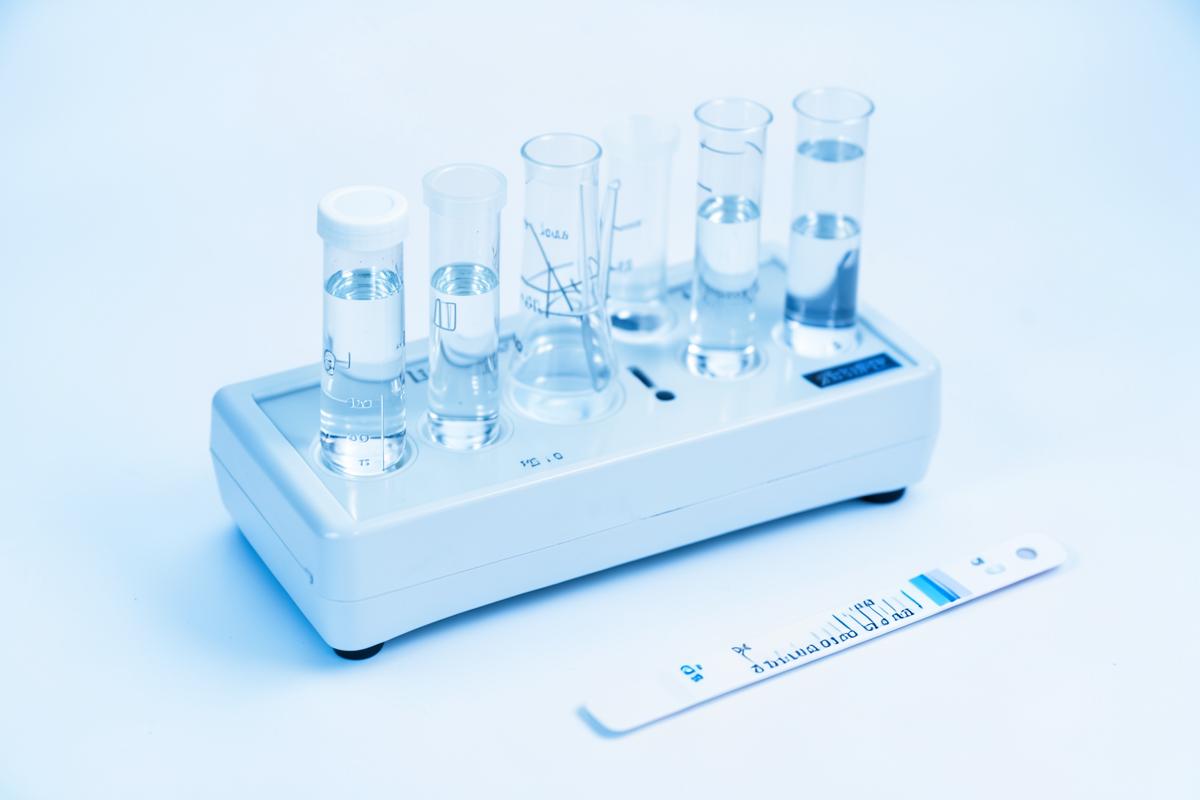
PFAS are measured at very low concentrations and require specialized laboratory methods — they are not something an in-home test strip can evaluate. If PFAS are a concern at your property, the first step is finding out whether they have been detected in your supply, using utility monitoring data or a laboratory analysis for a private well.
Technologies commonly discussed
- Activated carbon in various configurations.
- Ion-exchange media designed for these compounds.
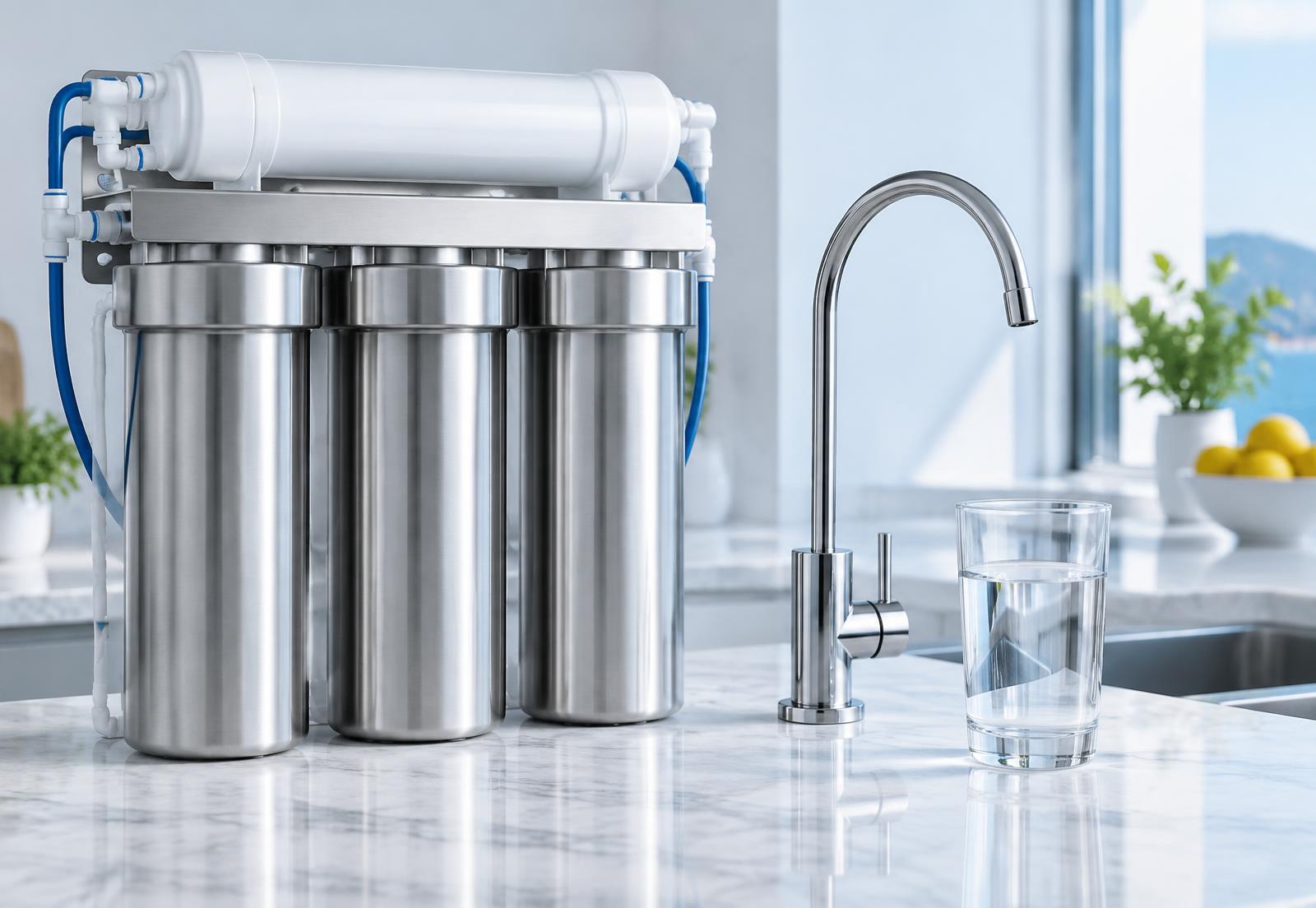
- Reverse osmosis at the point of use.
Whether any of these is appropriate — and how it performs — depends on the specific compounds present, their concentrations, the rest of the water chemistry, system design, flow rate, media capacity and a maintenance program that includes verification testing. Nobody should promise a removal outcome before the water has been tested.
Related pages on our site
Want to understand your water before choosing treatment?
Request a water analysis and we will walk through your results with you.