Why Does Florida Water Often Taste Different?
Taste is the first thing most Florida households notice about their water. Here is what usually influences it, and how to tell what is actually happening at your property.

If you moved to Central Florida from another state, or simply switched neighborhoods, you may have noticed that the water tastes and smells different from what you were used to. Taste is subjective, but it is usually driven by measurable things: the source of the water, what it picked up on the way to your tap, and how it is treated before it arrives.
The source matters most
Much of Florida's drinking water is drawn from groundwater that moves through limestone. Water in contact with limestone tends to dissolve minerals such as calcium and magnesium, which is what people describe as hardness. Minerals do not usually make water unpleasant on their own, but they change how it feels, how it interacts with soap, and how it behaves in appliances.
Common reasons people notice taste or odor
- Disinfectant residual: municipal utilities maintain a disinfectant in the distribution system, and some households are sensitive to it.
- Dissolved minerals: hardness can give water a distinct mouthfeel compared with softer water elsewhere.
- Sulfur-like odors: more often reported on private wells than on city supplies.
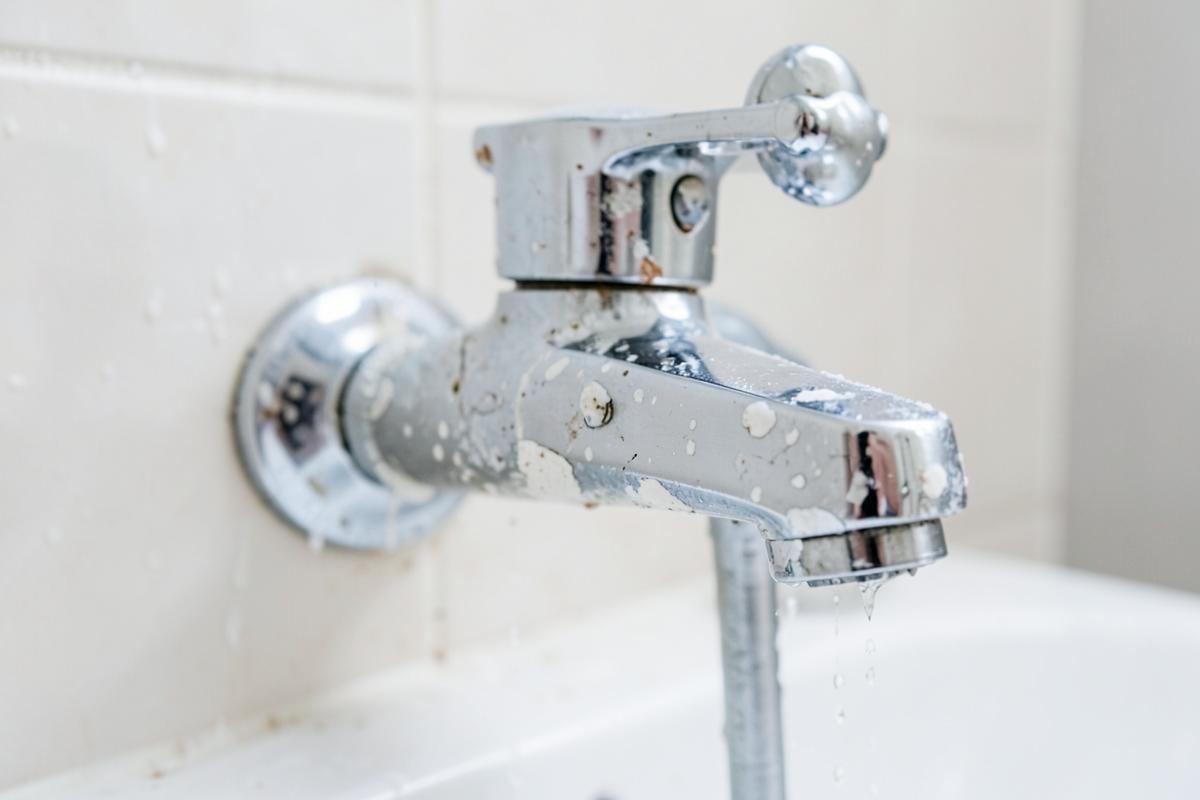
- Household plumbing: fixtures, water heaters and long stagnation periods can affect what comes out of a specific tap.
Taste and odor are clues, not diagnoses. Two homes on the same street can have different results because of plumbing, existing equipment or how the water is used.
City water and well water are not the same problem
Municipal water is treated and monitored by the utility before it reaches you, and utilities publish annual water-quality reports. Private wells are not treated by a utility — the property owner is responsible for testing and for any treatment. That difference changes both what you should test for and what kind of system makes sense.
How to find out what is really in your water
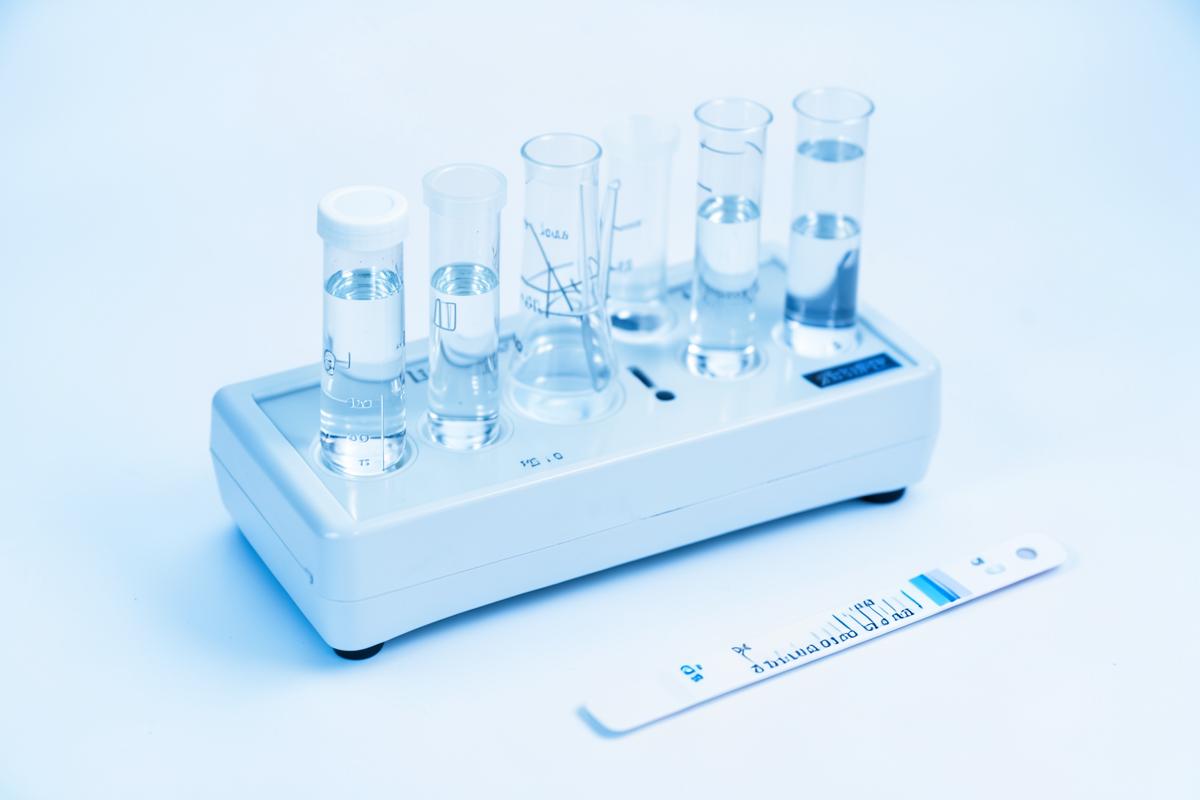
Start with information, then confirm it with a test. If you are on city water, read your utility's most recent water-quality report. If you are on a well, plan on periodic testing. In both cases, an on-site water analysis looks at the water as it exists at your tap — after your service line, your plumbing and any equipment already installed.
Once you know what the water contains, the treatment conversation becomes much simpler: conditioning for hardness, filtration for sediment and taste concerns, reverse osmosis for drinking water, and disinfection where microbiological control is warranted.
Frequently Asked Questions
Related pages on our site
Curious what is actually in your water?
A water analysis gives you a real starting point instead of a guess.